
hilario34j8284
About hilario34j8284
The Rise Of Valuable Metals IRAs: A Complete Case Study
In recent years, the investment panorama has seen a big shift, with investors more and more turning to various belongings to diversify their portfolios and hedge towards market volatility. Amongst these alternate options, Precious Metals Particular person Retirement Accounts (IRAs) have gained reputation as a means of securing wealth for the future. This case examine explores the rise of Precious Metals IRAs, inspecting their benefits, dangers, and the elements driving their adoption.

Background
Treasured Metals IRAs enable traders to hold physical gold, silver, platinum, and palladium in a tax-advantaged retirement account. Unlike traditional IRAs that typically encompass stocks, bonds, and mutual funds, Treasured Metals IRAs provide a tangible asset that may serve as a hedge against inflation and financial downturns. The concept of investing in valuable metals dates back centuries, but the formalization of those assets within retirement accounts is a relatively current improvement.
The growth of Precious Metals IRAs
The expansion of Precious Metals IRAs has been fueled by several components. First, the global financial landscape has been marked by uncertainty, together with fluctuating stock markets, geopolitical tensions, and considerations over inflation. Buyers have increasingly sought safe-haven belongings, and valuable metals have historically been viewed as a dependable retailer of value.
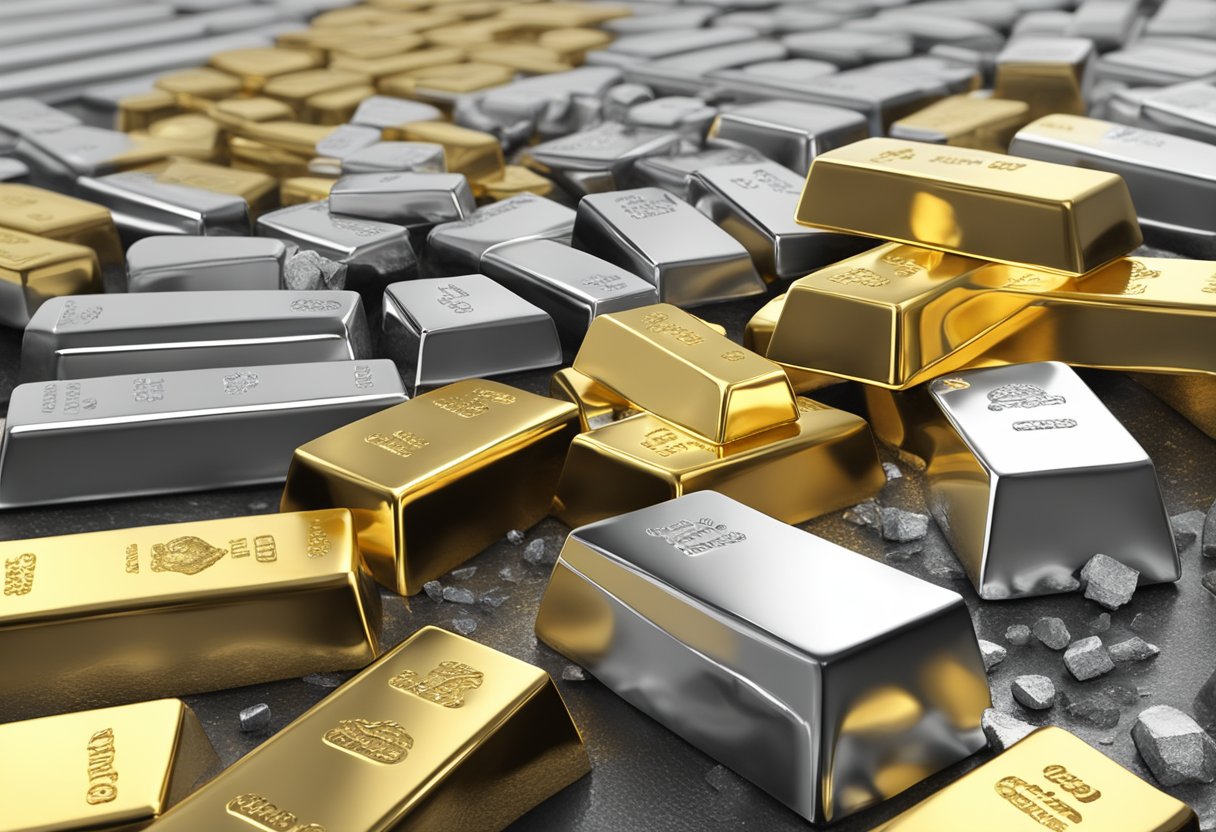
In keeping with the Investment Company Institute, belongings in U.S. retirement accounts reached over $30 trillion in 2021, with a growing portion allotted to various investments, together with precious metals. Companies that specialize in Precious Metals IRAs, comparable to Regal Belongings, Birch Gold Group, and Augusta Precious Metals, have reported a surge in demand, with many buyers looking for to diversify their retirement financial savings.
Advantages of Treasured Metals IRAs
- Inflation Hedge: Valuable metals, notably gold, have lengthy been thought-about a hedge towards inflation. As the buying energy of fiat currencies declines, the worth of precious metals tends to rise, making them an attractive possibility for preserving wealth.
- Diversification: Including treasured metals in an funding portfolio can present diversification advantages. Precious metals typically have a low correlation with conventional property, which means they’ll carry out nicely when different investments falter.
- Tangible Property: In contrast to stocks or bonds, precious metals are bodily assets that traders can hold. This tangibility can provide a way of safety, especially throughout times of economic instability.
- Tax Advantages: Precious Metals IRAs provide the identical tax benefits as conventional IRAs, together with tax-deferred growth and potential tax-free withdrawals in retirement, depending on the account kind.
- Safety Against Forex Devaluation: As central banks around the world have interaction in quantitative easing and other monetary policies, the risk of foreign money devaluation will increase. Precious metals can present a safeguard in opposition to such risks.
Risks and Challenges
Whereas Treasured Metals IRAs provide quite a few benefits, they also come with risks and challenges that traders must consider.
- Market Volatility: Precious metals can be topic to vital worth fluctuations. Whereas they could serve as a hedge towards inflation, their prices could be influenced by varied components, including global financial conditions, supply and demand dynamics, and investor sentiment.
- Storage and Insurance Prices: Physical treasured metals require safe storage and insurance, which might add to the general price of investing in a Precious Metals IRA. Investors should choose between dwelling storage and third-get together storage choices, every with its own set of issues.
- Restricted Progress Potential: In contrast to stocks, which can generate dividends and admire in worth by company growth, valuable metals don’t produce revenue. If you beloved this post and you would like to acquire more information relating to gold-ira.info kindly check out our site. Investors must rely solely on value appreciation for returns.
- Regulatory Issues: The IRS has particular laws regarding the forms of treasured metals that may be held in an IRA. Buyers should make sure that their investments adjust to these laws to avoid penalties.
- Charges and Bills: Treasured Metals IRAs usually come with larger fees in comparison with traditional IRAs. These fees can embody setup charges, storage fees, and transaction charges, which can influence total returns.
Case Study: Investor Profile
As an instance the potential benefits and challenges of Precious Metals IRAs, consider the case of John, a 55-yr-previous investor who is worried about his retirement savings amid financial uncertainty. John has a conventional IRA primarily invested in stocks and bonds, however he needs to diversify his portfolio to protect towards potential market downturns.
After researching various investment choices, John decides to open a Precious Metals IRA. He allocates 15% of his retirement financial savings to physical gold and silver. John appreciates the tangible nature of those assets and believes they may provide a hedge towards inflation and economic instability.
Implementation and Technique
John works with a reputable Precious Metals IRA custodian to facilitate the rollover of a portion of his traditional IRA right into a Precious Metals IRA. He chooses to invest in gold and silver bullion coins that meet IRS necessities for valuable metals in retirement accounts.
To mitigate dangers, John adopts a long-term funding technique, understanding that precious metals could experience quick-time period volatility. He plans to carry his investments for at the very least a decade, permitting time for potential value appreciation.
John additionally components in the costs related to storage and insurance, opting for a third-social gathering storage answer that gives security and peace of thoughts. He frequently opinions his investment strategy and market situations to ensure that his portfolio remains aligned along with his retirement objectives.
Conclusion
The rise of Treasured Metals IRAs reflects a rising pattern among traders seeking to diversify their portfolios and protect their wealth in an unsure economic surroundings. Whereas these accounts provide several benefits, together with inflation hedging and diversification, additionally they present risks and challenges that must be carefully thought-about.
As demonstrated in John’s case, a properly-planned strategy to investing in Treasured Metals IRAs will help buyers navigate these challenges and secure their monetary future. Because the market continues to evolve, Treasured Metals IRAs are probably to stay a viable option for these seeking to safeguard their retirement financial savings in opposition to financial uncertainties.